Barcode: 6937285508461

Bambu Lab X2D dual-nozzle 3D printer for multi-material printing and cleaner results

The Bambu Lab X2D Combo is a dual-nozzle 3D printer built to simplify multi-material printing, improve surface finish at speed, and reduce failed-print waste through adaptive calibration and AI monitoring.

Why choose the Bambu Lab X2D

The X2D combines dual-nozzle printing, a servo extruder approach for smooth surfaces, dual-intake cooling for sharper detail, active heating for stronger parts, adaptive calibration for lasting precision, and AI monitoring as a built-in backup.

Dual nozzle

Multi-material printing is made simpler with a dedicated dual-nozzle setup.

Servo Extruder

Smooth surfaces are maintained at full speed.

Dual-intake cooling

Crisp details are supported by active airflow management.

Active heating

Stronger parts are supported through active heating.

Adaptive Calibration

Lasting precision comes from calibration that adjusts to changing conditions.

AI Monitoring

Built-in monitoring adds another layer of protection during print jobs.

Dual Nozzle System for support material that removes cleanly

The Bambu Lab X2D separates part printing from support printing so support removal becomes easier and cleaner. The main nozzle prints the model, while the auxiliary nozzle handles support material1.

Cleaner supports for overhangs, folds, and internal channels

The auxiliary nozzle takes on the support work with its own material, helping wrap steep overhangs, fabric folds, and internal channels with full support that can then be peeled away cleanly.

Multi-material and colour printing with faster swaps and less waste

The dual-nozzle design also expands colour and material options. The Bambu Lab X2D can combine PLA and TPU in one model, making functional parts such as bags, grips, and bumpers that come off the bed ready to use.

Faster colour changes with cleaner transitions

Dual nozzles swap in a split second, which helps deliver faster colour changes, cleaner transitions, and far less waste2.

Lighter nozzle-changing mechanism for sharper surfaces at speed

The X2D uses a Gear-and-Trigger mechanism inside the toolhead rather than a traditional motor-driven system. A nozzle-change lever taps the trigger arm, which drives an internal gear train to change the nozzle.

Because the nozzle-change system avoids extra weight, the toolhead stays lighter. Lower inertia and reduced vibration help keep surfaces flawless even at full speed, including higher sections of the print.

Tap. Switch. Done. The mechanism is designed for a clean swap without adding unnecessary mass to the moving assembly.

Dual-intake cooling for sharper overhangs and cleaner bridges

Freshly extruded filament is soft, so rapid cooling matters. The Bambu Lab X2D uses dual left and right air intakes to flush the chamber with cool air and maintain constant air exchange.

This cooling approach stabilizes each layer for low-temperature filaments such as PLA, helping cool every line at the right moment. On tricky angles, overhangs stay sharper and bridges stay cleaner before gravity causes droop.

Adaptive calibration that responds to wear, residue, and filament condition

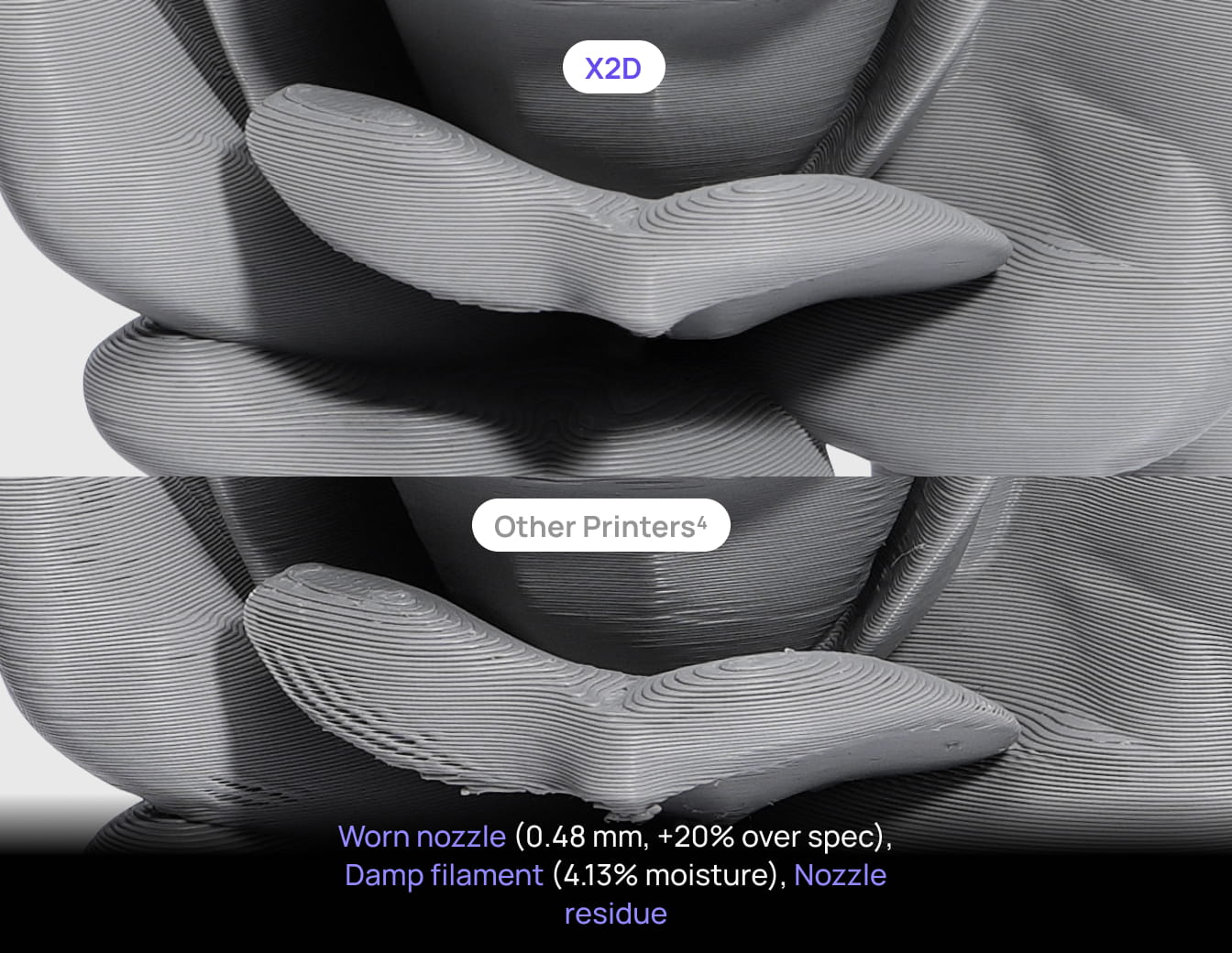
Most printers use a single K factor for flow calibration, but the Bambu Lab X2D does not. Flow Dynamics Calibration3 creates a time-varying, nonlinear model of the full extrusion system.

That model allows the printer to detect, calibrate, and compensate for minor nozzle residue, gradual nozzle wear, and slightly damp filament. The result is more repeatable smooth surfaces and sharper edges instead of relying on ideal conditions or luck.
Active vibration compensation for sharper corners and fine details

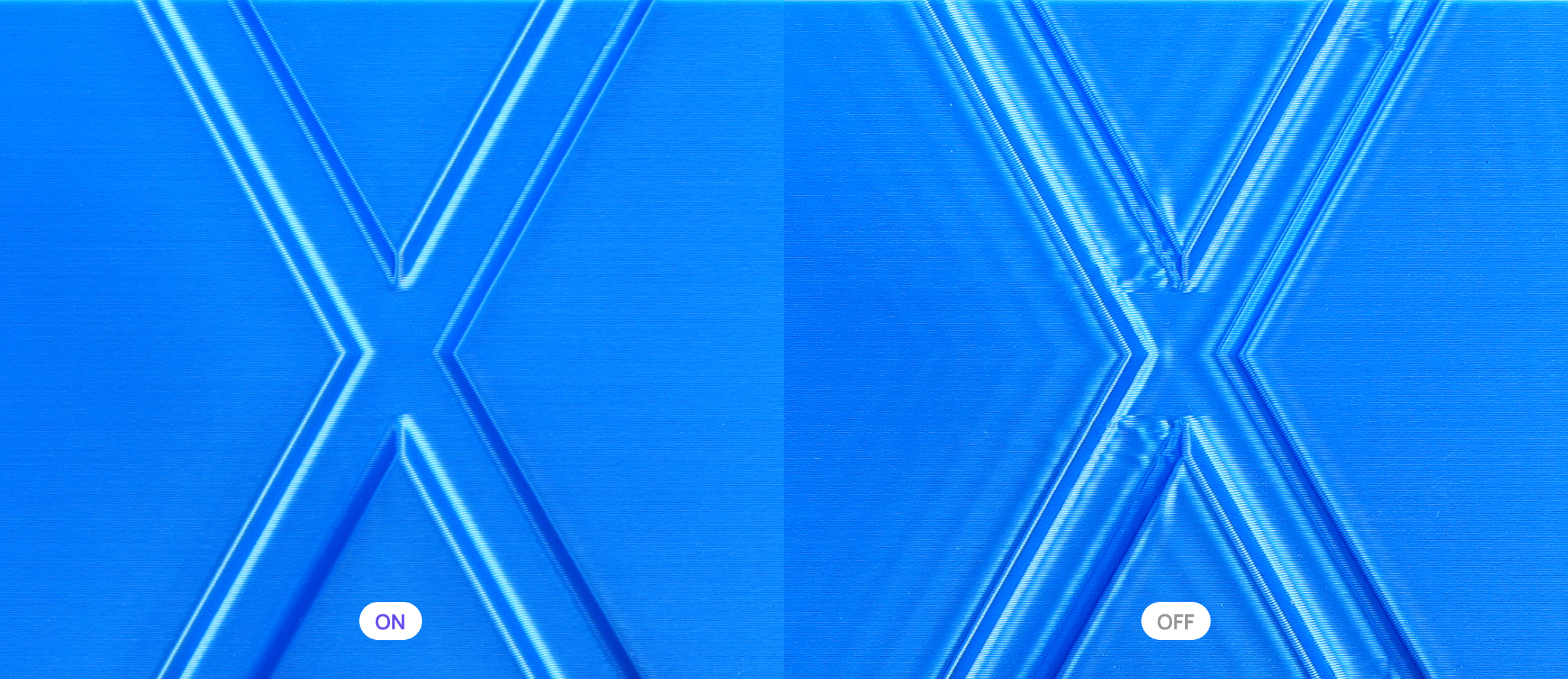
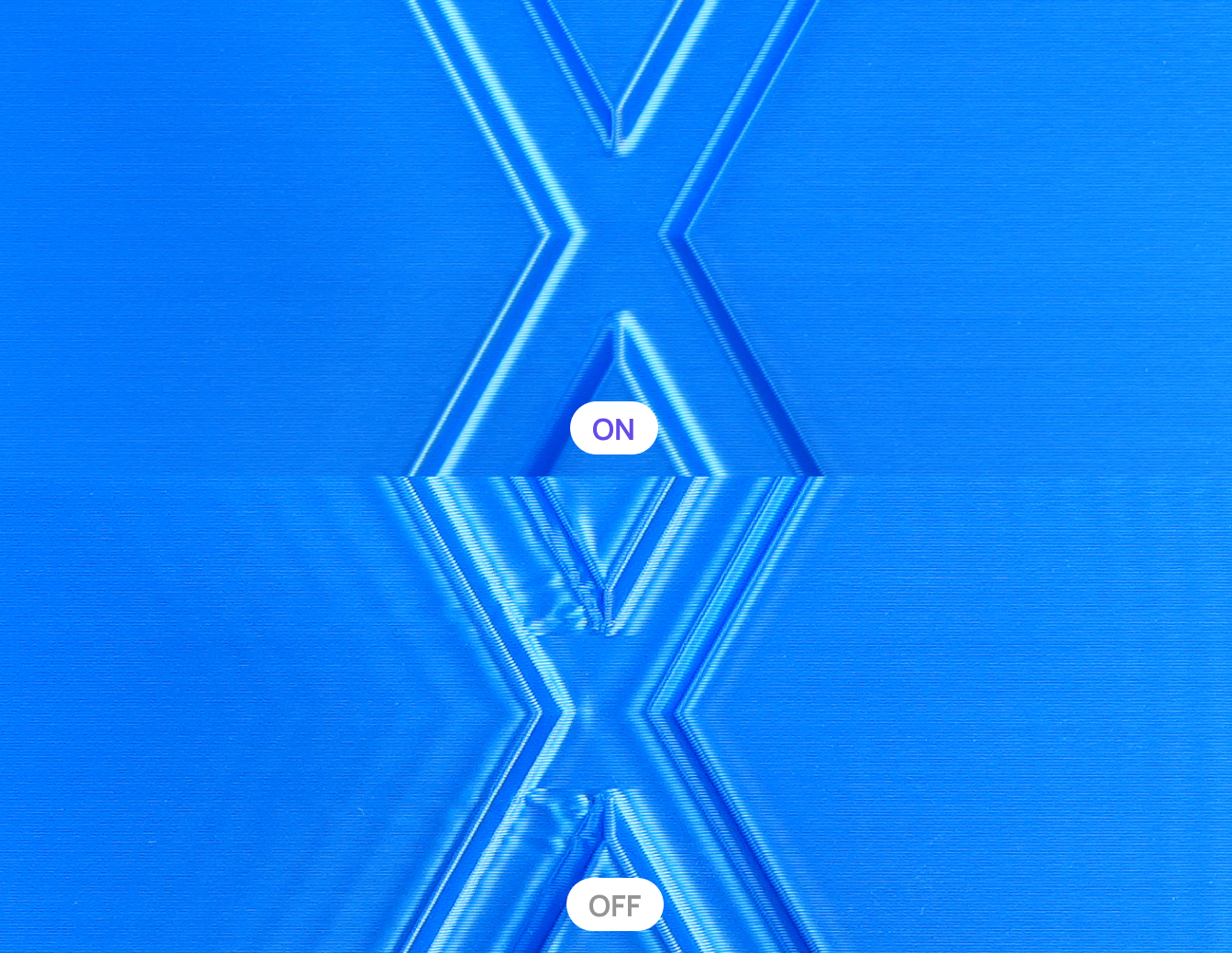
High-speed ringing and ghosting can blur edges, especially on detailed parts. Active Vibration Compensation works in real time to cancel those effects and keep printed edges crisp.

This makes the Bambu Lab X2D better suited to fast prints that still need clean corners and detail retention.
AI camera monitoring for debris checks and failed-print detection

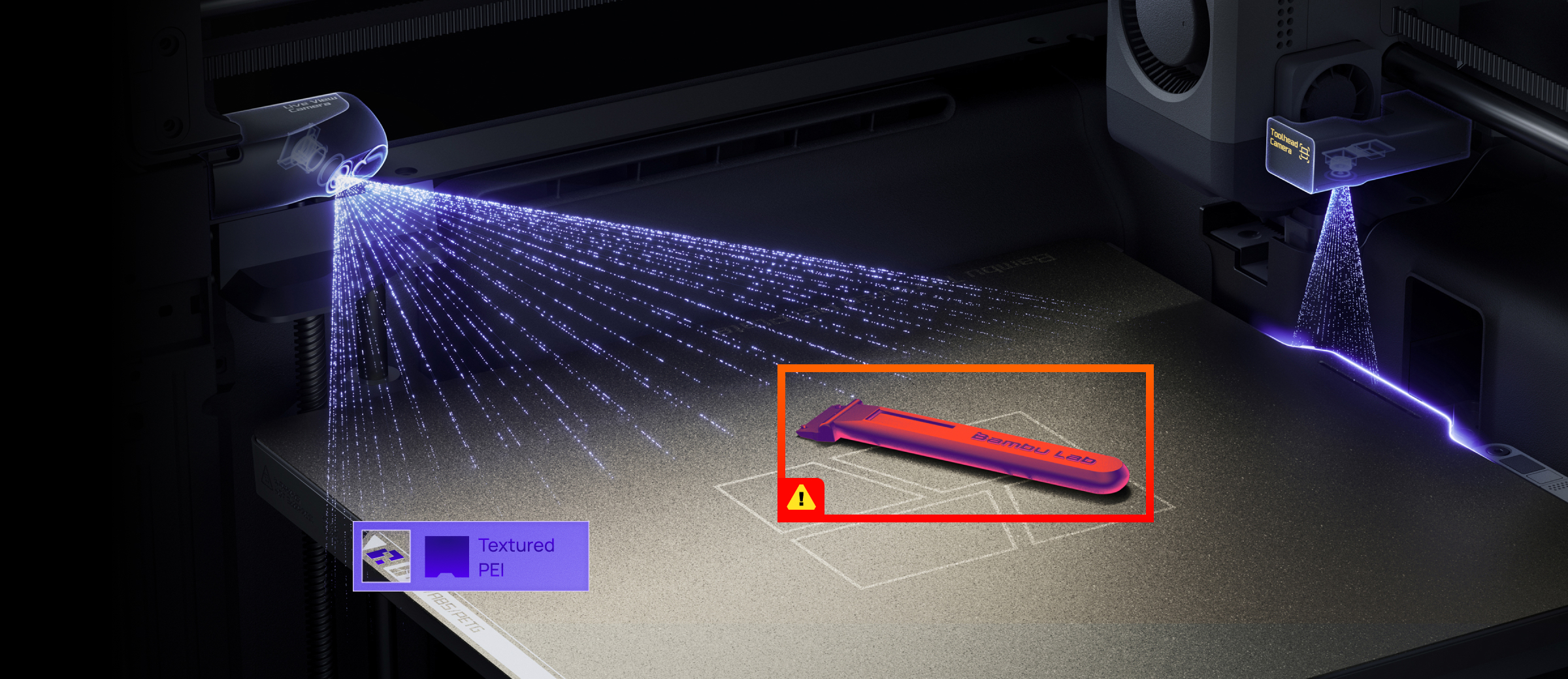
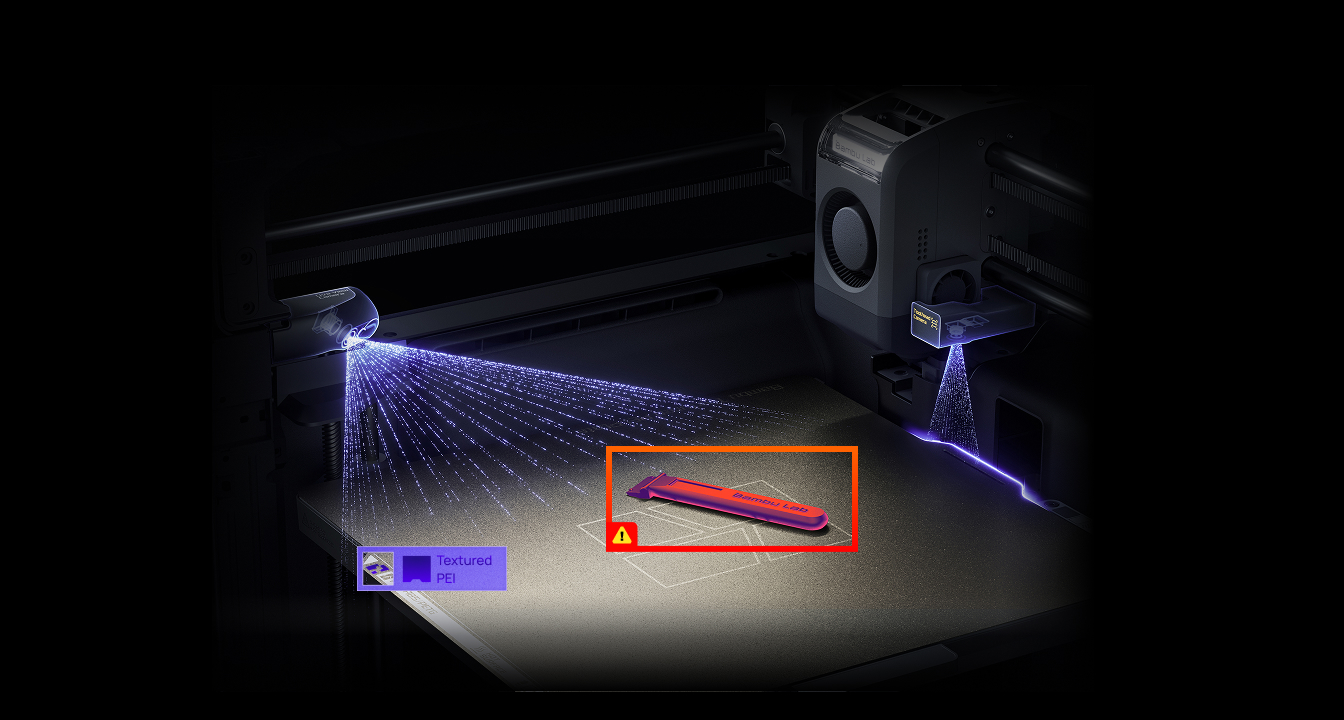
The AI Liveview Camera and Toolhead Camera monitor the print process before and during operation. Before printing starts, the cameras scan the build plate for debris and verify plate placement.

During printing, the same camera system watches for spaghetti failures, nozzle clumping, and purge-chute jams in real time. If a problem is detected, the printer can pause the job before more time and filament are wasted.
Use cases for the Bambu Lab X2D Combo

  • Multi-material functional parts: Combine PLA and TPU in one print for grips, bumpers, and flexible-rigid assemblies.
  • Models with complex supports: Use the auxiliary nozzle for support material on steep overhangs, fabric-like forms, and internal channels.
  • High-speed prototyping: Reduce vibration-related artefacts while keeping surfaces smooth and edges crisp.
  • Detail-focused PLA printing: Use dual-intake cooling to improve bridges, overhangs, and small feature definition.
  • Longer unattended jobs: Rely on AI monitoring to catch debris, plate placement issues, spaghetti, clumping, and purge-chute jams.

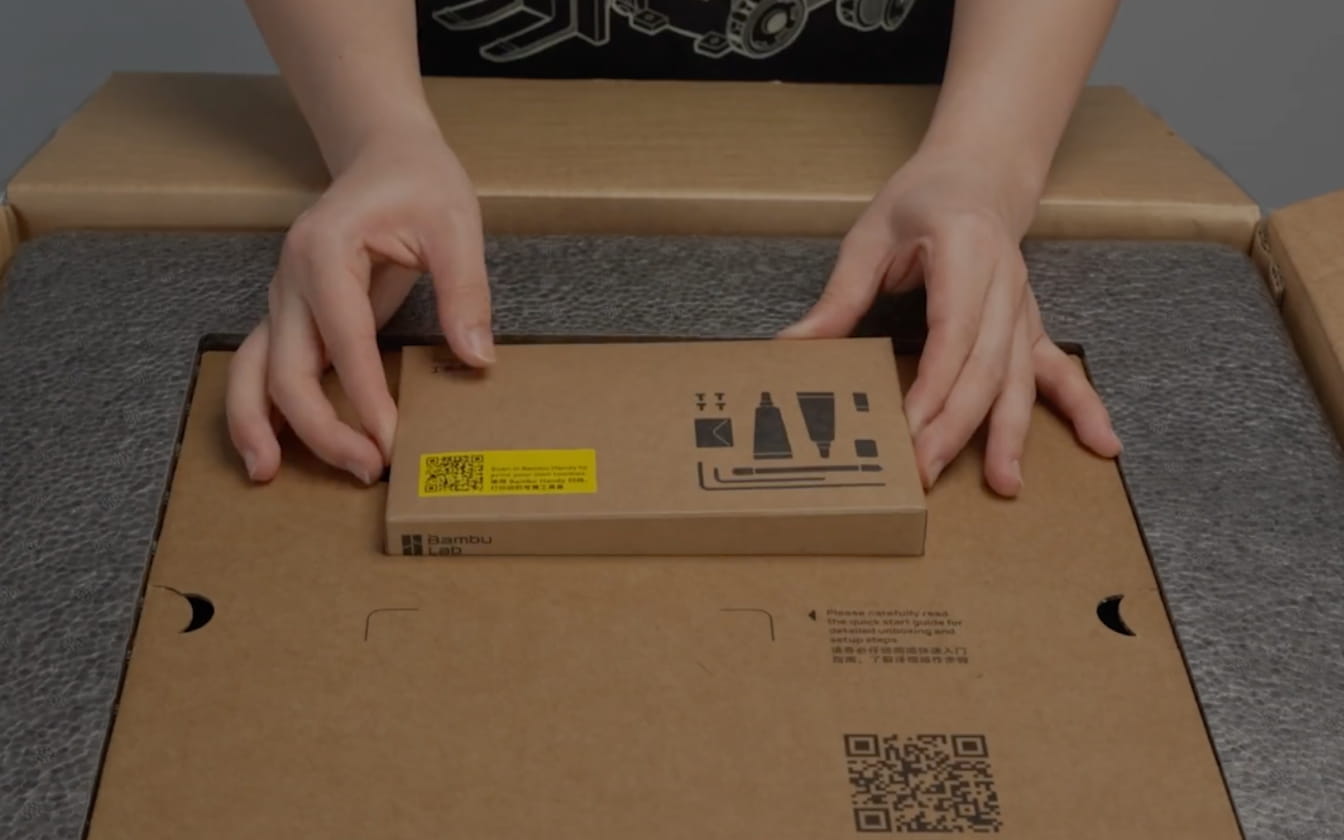
Unboxing video

Printing SystemDual-Nozzle 3D Printing
Multi-color / SupportFaster Multi-Color Printing & Cleaner Support Removal
Nozzle & Chamber Temp300 °C Nozzle & 60 °C Active Chamber Heating
ExtruderClosed-Loop Servo Motor Extruder
DetectionFull Filament Path AI Detection
Print Volume256 × 256 × 260 mm³ Print Volume
Voltage RangeVoltage Range: 100 – 120 V
AMS AdapterTo connect more than two AMS (including AMS 2 Pro, AMS HT), a 4-in-1 PTFE Adapter (FAZ013-N) is needed
  • Voltage Range: 100 – 120 V
  • To connect more than two AMS (including AMS 2 Pro, AMS HT), a 4-in-1 PTFE Adapter (FAZ013-N) is needed

1)For optimal print quality, please use the main hotend to print these filaments. 2)The printer’s voltage specifications vary by sales region. Before use, please check the label next to the power socket on the printer to ensure the supplied voltage matches the indicated voltage. 3) To ensure the heatbed quickly reaches the needed temperature, the printer will maintain maximum power for about 3-5 minutes.

The X2D is UL 2904 certified for indoor air quality when printing with Bambu PLA Basic and PETG Basic. Confirmed for low particle and VOC emissions - so you can print in your personal space with peace of mind.

Recommended to use official Bambu Lab filaments with the auxiliary nozzle, especially official PLA for model printing. Third-party filaments on the auxiliary nozzle may not deliver optimal print quality. For a full list of compatible materials, refer to the Spec Sheet.

What is the Bambu Lab X2D Combo?

The Bambu Lab X2D Combo is a dual-nozzle 3D printer designed for multi-material printing, cleaner support removal, and high-speed printing with maintained surface quality.

How does the dual-nozzle system work on the Bambu Lab X2D?

The main nozzle prints the part while the auxiliary nozzle handles support material. This setup allows supports to be peeled away more cleanly from overhangs, folds, and internal channels.

Can the Bambu Lab X2D print PLA and TPU in one model?

Yes. The Bambu Lab X2D can fuse PLA and TPU in a single model, which supports making parts such as bags, grips, and bumpers that are ready to use off the build plate.

How does the Bambu Lab X2D change nozzles?

The printer uses a Gear-and-Trigger mechanism inside the toolhead. A nozzle-change lever taps the trigger arm, which drives an internal gear train to switch the nozzle without adding extra toolhead weight.

Why does a lighter toolhead matter for print quality?

A lighter toolhead reduces inertia and vibration. That helps the Bambu Lab X2D maintain smoother surfaces and cleaner results, even at full speed and higher print heights.

How does the Bambu Lab X2D improve overhangs and bridges?

The printer uses dual-intake cooling with left and right air intakes to rapidly cool freshly extruded filament. This stabilizes each layer for low-temperature materials like PLA, helping overhangs stay sharp and bridges stay clean.

What does adaptive calibration do on the Bambu Lab X2D?

Flow Dynamics Calibration builds a time-varying, nonlinear model of the extrusion system instead of relying on a single K factor. It compensates for conditions such as minor nozzle residue, gradual nozzle wear, and slightly damp filament.

What problems can the AI camera detect during a print?

The AI Liveview Camera and Toolhead Camera check for debris and correct plate placement before printing. During printing, they monitor for spaghetti, nozzle clumping, and purge-chute jams, and can pause the job before more time and filament are wasted.
Electrical Safety & Certifications

Learn more about Canadian electrical standards, certification types, and what they mean for you.

View Safety & Certifications Page
Brand: Bambu Lab / 7 Reviews /
Add to Wishlist Remove from Wishlist

Bambu Lab X2D Combo

In Stock Limited Stock – Call Now
Canadian Warranty & Service Real Canadian support. Call or email us and hear back the same business day — no days of slow email back-and-forth with an offshore help desk. Included with every machine bought here.
  • Bambu Lab X2D
  • Bambu Lab X2D
  • Bambu Lab X2D
  • Bambu Lab X2D
  • Bambu Lab X2D
  • Bambu Lab X2D
  • Bambu Lab X2D
  • Bambu Lab X2D
  • Bambu Lab X2D
  • Bambu Lab X2D
  • Bambu Lab X2D
  • Bambu Lab X2D
  • Bambu Lab X2D
  • Bambu Lab X2D Combo Bambu Lab
  • Bambu Lab X2D Combo Bambu Lab
  • Bambu Lab X2D Combo Bambu Lab
  • Bambu Lab X2D Combo Bambu Lab
  • Bambu Lab X2D Combo Bambu Lab
  • Bambu Lab X2D Combo Bambu Lab
  • Bambu Lab X2D Combo Bambu Lab
  • Bambu Lab X2D Combo Bambu Lab
Product image
/
USD

All orders are shipped from and processed in Canada. Duties, taxes, tariffs, and credit card foreign transaction fees may apply.

Canadian Electrical Compliance Verified 🇨🇦

This product meets applicable Canadian electrical safety standards.

Learn more

  • American Express
  • Apple Pay
  • Diners Club
  • Discover
  • Google Pay
  • Mastercard
  • PayPal
  • Shop Pay
  • Visa