
¿De verdad puedes imprimir en 3D tu EDC?
No solo piezas novedosas o pequeñas impresiones rápidas de fin de semana, sino herramientas reales en las que confiarías para usar a diario?
Creo que la respuesta es sí, con una salvedad importante. Hay que elegir los diseños correctos y hay que imprimirlos con los materiales adecuados.
Eso es lo que hace que el EDC encaje tan bien con la impresión 3D desde el principio. El EDC trata de llevar contigo las herramientas adecuadas, y la impresión 3D consiste en fabricar herramientas que se ajusten exactamente a tus necesidades. Cuando ambas cosas se superponen, obtienes soluciones realmente útiles, compactas, personales y fáciles de personalizar.
Algunos de estos son el tipo de artículos que desaparecen en tu bolsillo y resuelven problemas en silencio. Otros son impresiones que pasan a formar parte de tu rutina diaria tan rápido que dejas de pensar en ellas hasta que un día las olvidas y te das cuenta de cuánto dependes de ellas.
Aquí tienes una lista completa de artículos EDC impresos en 3D que realmente vale la pena llevar, además de algunas notas sobre materiales que importan si quieres que resistan el uso real.
Por qué PETG tiene más sentido que PLA para la mayoría de las impresiones EDC
Antes de entrar en el equipo en sí, conviene hablar de materiales.
Muchos de estos diseños dependen de la flexibilidad, del movimiento repetido o de piezas que soportan tensiones regulares. Eso significa que la propiedad clave a la que debes prestar atención es la resistencia dúctil, o la capacidad de un material para doblarse bajo tensión y volver a su forma sin agrietarse.
PLA es rígido, fácil de imprimir y excelente para el detalle visual. Pero en impresiones con piezas móviles, mecanismos flexibles o bisagras vivas, tiende a fallar al agrietarse en lugar de flexionarse.
PETG suele ser la mejor opción para accesorios EDC funcionales porque soporta mejor la tensión repetida. Si algo va a ir en tu llavero, en tu bolso o en tu bolsillo todos los días, esa resistencia adicional importa.
Hay una desventaja que vale la pena mencionar. Los filamentos mate y tipo seda suelen verse fantásticos, pero esos acabados a veces pueden afectar la resistencia de la unión entre capas. Eso hace que merezca la pena probarlos en aplicaciones funcionales. En este caso, se utilizaron PETG negro mate, blanco mate y seda metálica azul de la línea de Unveil Form, y sin duda aportan un aspecto final más limpio a las piezas de uso diario.
Si el objetivo es la máxima durabilidad, el PETG con fibra de carbono también merece una mirada. Solo recuerda que los filamentos abrasivos necesitan una boquilla de acero endurecido, y conviene usar al menos una boquilla de 0,6 mm para reducir la posibilidad de atascos.
Impresiones EDC para llavero que sí merecen su lugar
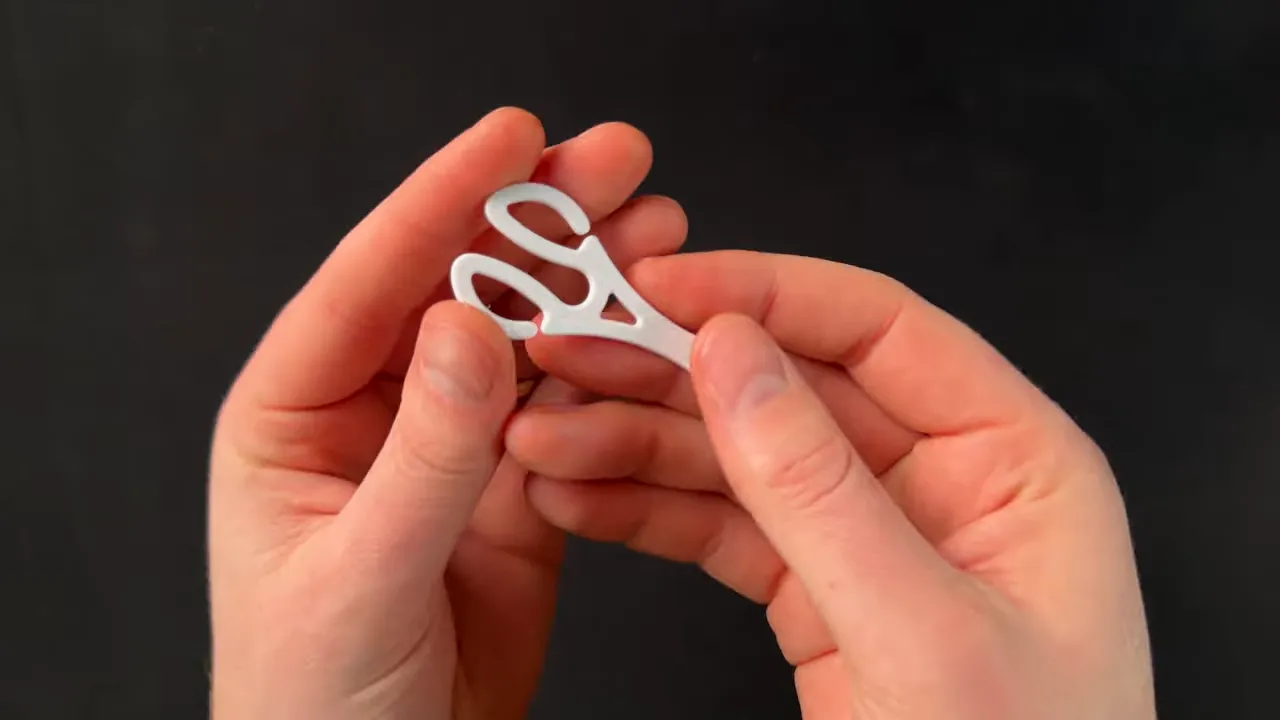
1. Llave para carrito de compras
Si ya no llevas efectivo, probablemente tampoco lleves monedas. Eso se vuelve molesto en el momento en que te topas con un seguro de carrito de compras.
Una llave para carrito de compras impresa en 3D es una de esas pequeñas herramientas de mejora diaria que resuelve ese problema de forma permanente. Llévala en tus llaves y siempre estará ahí cuando la necesites.
El diseño destacado aquí usa una bisagra flexible para poder adaptarse a una variedad de tamaños de moneda y monedas de distintas divisas. Y mejor aún, no necesitas dejarla en el carrito después de abrirlo.
Solo eso ya la hace más útil que un simple sustituto de moneda impreso. Es reutilizable, ligera y solo necesita unos pocos gramos de filamento para fabricarse.
Además, es el tipo de impresión que se puede hacer fácilmente por lotes. Tener algunas de repuesto nunca es mala idea, sobre todo porque es una de esas pequeñas herramientas que la gente entiende y aprecia al instante.
Como esa bisagra flexiona cada vez que se usa, este es un caso claro en el que PETG es el material adecuado.
2. Mosquetones para uso diario ligero
Una aclaración rápida aquí. Un mosquetón impreso no es para escalada ni para ninguna aplicación de seguridad con carga.
Pero para el EDC? Absolutamente.
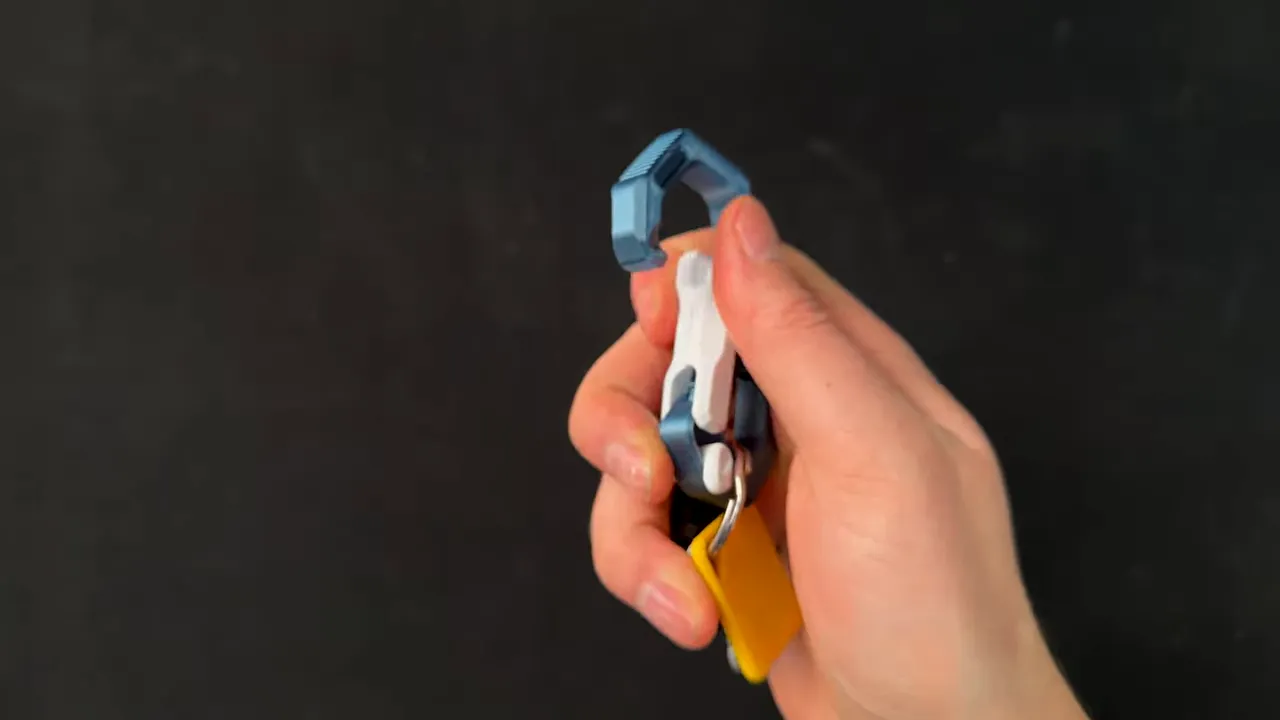
Para unir pequeñas herramientas, organizar accesorios de llavero, sujetar accesorios a una bolsa o mantener bajo control objetos sueltos, estos pequeños mosquetones resultan mucho más útiles de lo esperado.
El diseño mostrado aquí utiliza un ingenioso mecanismo de cierre flexible que se dobla y vuelve a su posición, además de un segundo cierre para mantener los objetos contenidos.
Esa acción flexible es בדיוק por lo que la elección del material importa. Este es el tipo de impresión que pondrá rápidamente en evidencia las limitaciones del PLA, mientras que el PETG le da muchas más probabilidades de resistir el uso repetido.
3. Organizador de llaves
Este es uno de los mejores ejemplos de un artículo EDC impreso en 3D que realmente mejora la vida diaria.
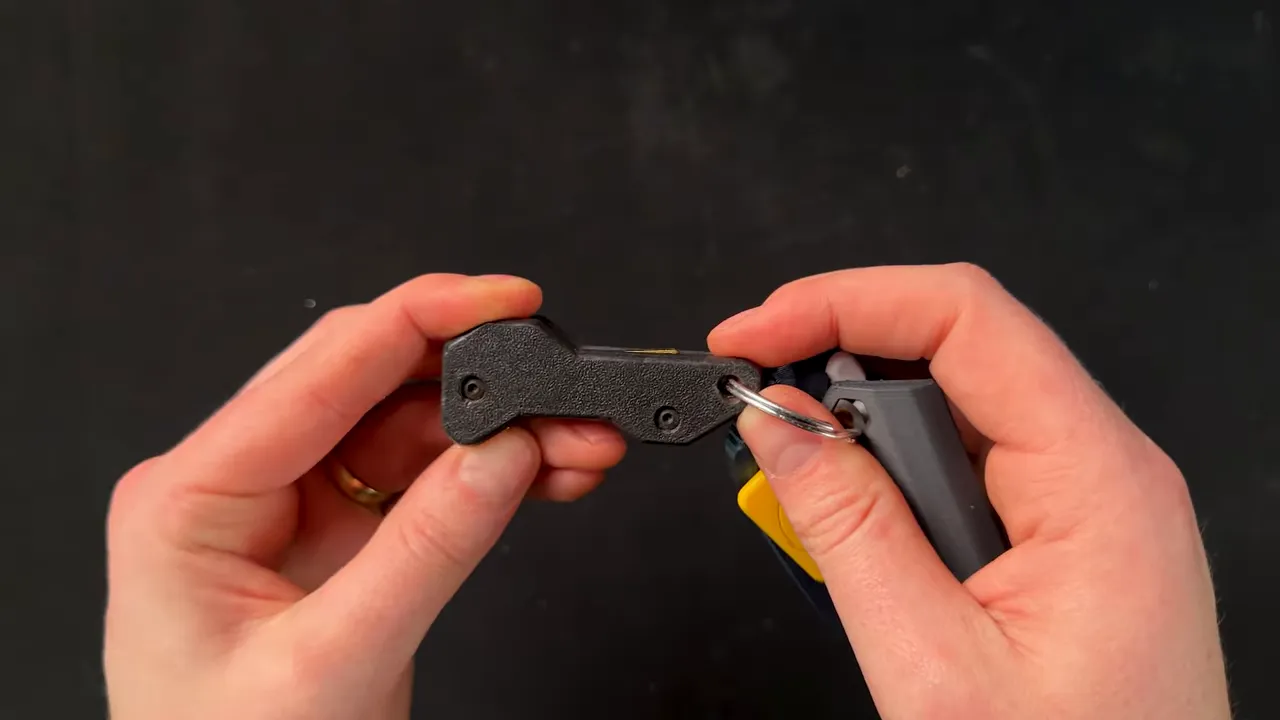
Si odias el tintineo de las llaves, los llaveros voluminosos o que las llaves rayen cualquier otra cosa que compartas en el bolsillo, un organizador de llaves soluciona todo eso. En lugar de llevar llaves sueltas moviéndose por ahí, todo queda apilado en una forma compacta y controlada.
El diseño que se muestra utiliza un par de pequeños tornillos M3 para mantener el conjunto unido. Es sencillo, práctico y probado.
Lo que realmente destaca aquí es la durabilidad a largo plazo. Esta impresión en particular ya llevaba más de dos años en uso diario y mostraba exactamente el tipo de desgaste que esperarías de algo que vive en un bolsillo todos los días. Ese tipo de uso en el mundo real es lo que hace que una impresión merezca recomendarse.
De todos los artículos impresos mencionados aquí, este fue el que destacó como la impresión más usada en general.
Si quieres imprimir uno para ti, el PETG con fibra de carbono es una excelente opción para mayor durabilidad. Solo recuerda la boquilla endurecida y la recomendación de un tamaño de boquilla mayor mencionadas antes.
4. Calibres mini de llavero
Estos entran en la categoría de herramientas que no crees necesitar hasta que realmente las tienes.
No, no sustituyen a un juego adecuado de calibres en tu banco de trabajo. No son para mediciones de precisión. Pero para comprobaciones rápidas, son sorprendentemente útiles.
¿Necesitas medir un perno? ¿Comprobar el grosor de un material? ¿Saber con qué herraje estás tratando mientras buscas en un contenedor caótico? Un pequeño juego de calibres de llavero es perfecto para ese tipo de medición rápida y aproximada.
El verdadero valor es que siempre los llevas contigo. Tus calibres principales se quedan en el taller. Estos resuelven todas las pequeñas situaciones que surgen cuando estás lejos de él.
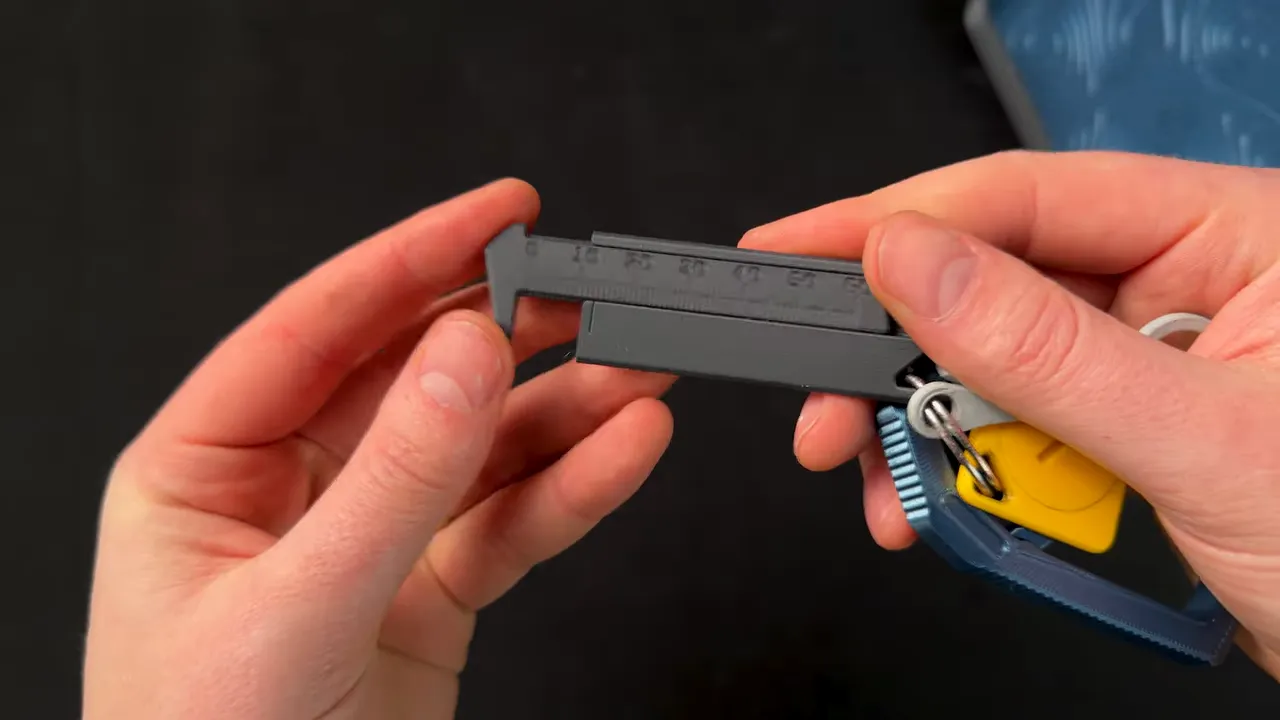
Herramientas impresas en 3D de tamaño de bolsillo que resuelven problemas reales
5. Destornillador de carraca de bolsillo
Un destornillador de carraca compacto es exactamente el tipo de cosa que tiene sentido como EDC. No intentas reemplazar un kit de herramientas completo. Te das una forma de resolver reparaciones rápidas cuando no hay un destornillador de tamaño normal disponible, o cuando necesitas trabajar en un espacio reducido.
Este diseño combina piezas impresas con puntas metálicas estándar. El cuerpo está impreso en 3D, el mecanismo de carraca está impreso en su lugar y hay almacenamiento interno para varias puntas.
Un detalle de diseño especialmente inteligente es la forma en que funciona el almacenamiento de las puntas. Las puntas se pueden empujar desde la parte trasera, lo que hace mucho más fácil sacarlas que si simplemente estuvieran encajadas a presión en una ranura ajustada.
Ese tipo de planteamiento práctico en el diseño es donde las herramientas impresas en 3D realmente empiezan a brillar.
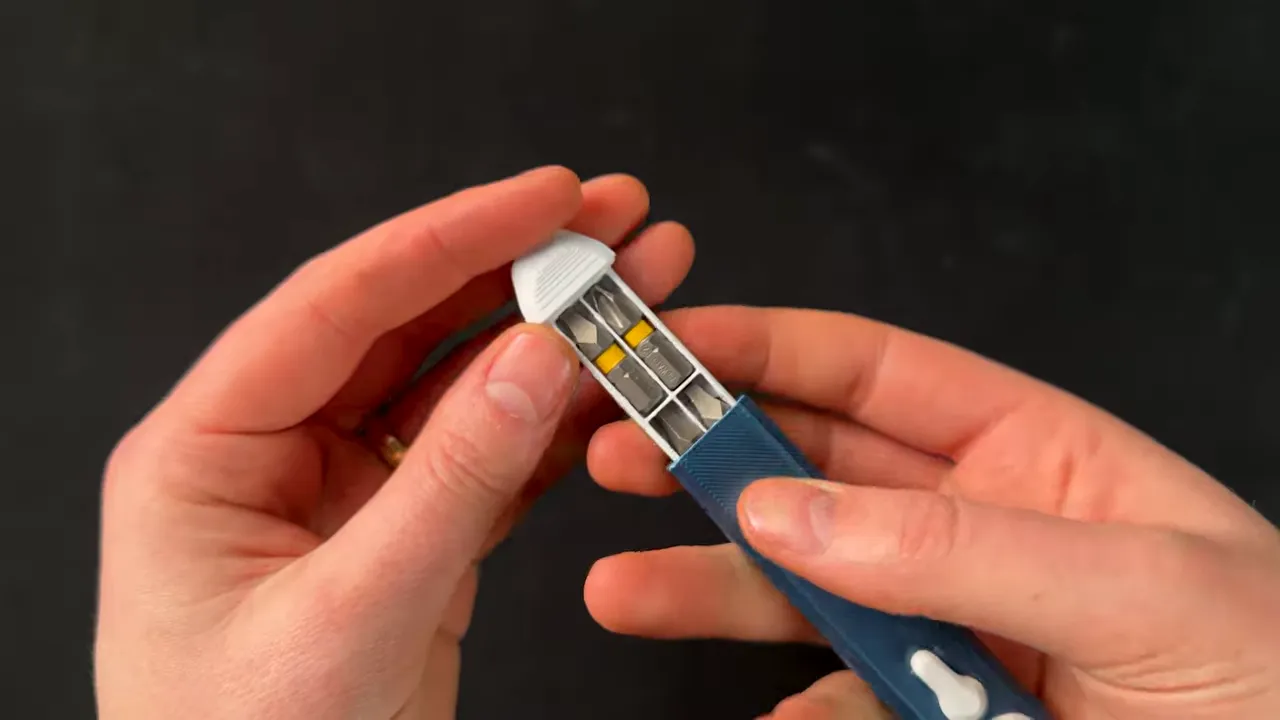
6. Multiherramienta impresa con almacenamiento para puntas, cúter, cajón y regla
Si te gusta la idea de consolidar varios pequeños utensilios en una sola pieza compacta, esta multiherramienta hace mucho en una huella muy pequeña.
Incluye:
-
Una ranura para una sola punta de destornillador para tareas básicas de ajuste
-
Un cúter plegable seguro para niños que se bloquea abierto para su uso
-
Un microcajón para pequeños imprescindibles como medicamentos u otros objetos pequeños
-
Una regla en la parte trasera para medidas de referencia rápidas
-
Una moneda para carrito de compras integrada en el cuerpo
La moneda integrada para carrito es un buen detalle, aunque sea un poco menos cómoda de sacar que una llave dedicada para carrito de compras. Aun así, es una forma ingeniosa de combinar varias funciones en una sola impresión que cabe en el bolsillo.
Esa es una de las mayores ventajas de la impresión 3D en el ámbito EDC. No estás limitado a las categorías estándar de venta al por menor. Puedes combinar funciones de formas que los productos fabricados en serie a menudo no hacen.
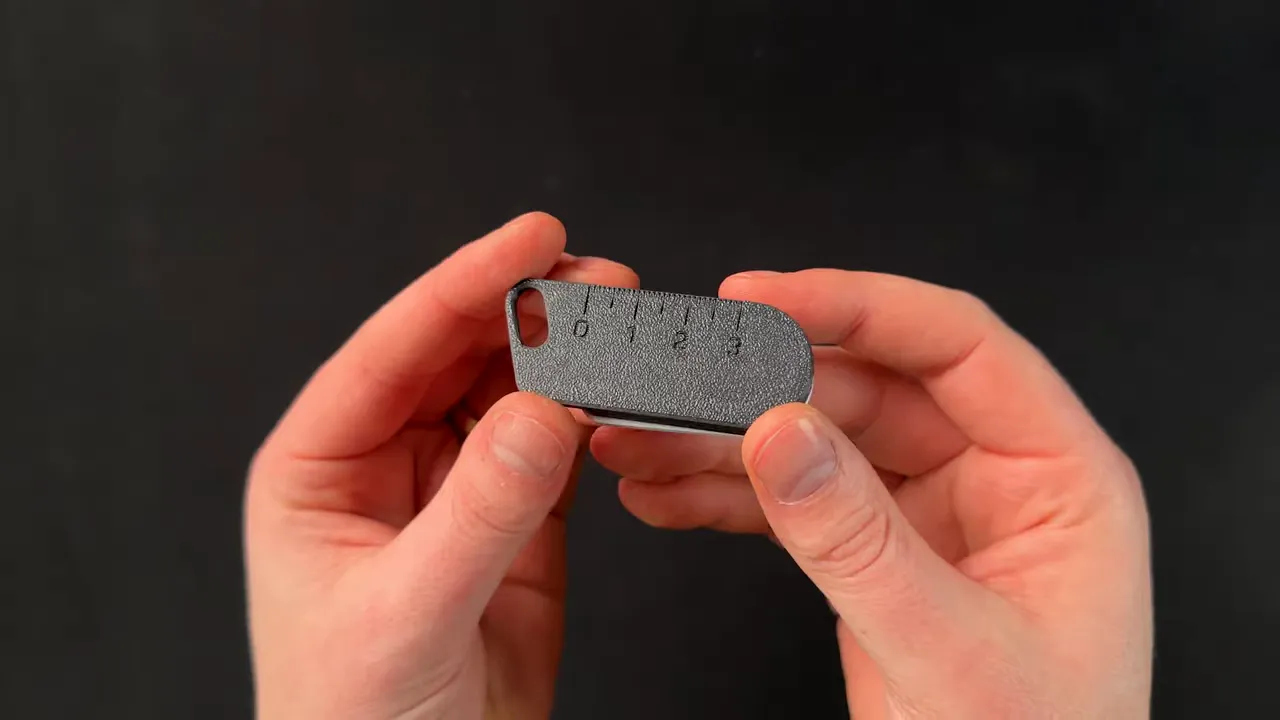
7. Pequeño contenedor con tapa a presión
El EDC no se trata solo de herramientas. A veces se trata de mantener pequeños imprescindibles seguros, limpios y fáciles de encontrar.
Un pequeño contenedor impreso con tapa a presión es perfecto para cosas como:
-
Medicamentos de repuesto
-
Tarjetas SD
-
Tornillos y ferretería pequeña
-
Tapones para los oídos
-
Otros objetos diminutos que se pierden fácilmente
El diseño aquí es lo bastante compacto para un llavero o un bolsillo pequeño, y la tapa a presión mantiene el contenido seguro sin necesidad de cremalleras ni cierres.
Un gran uso real para esto es guardar tapones de repuesto en una bolsa de viaje. Los tapones desechables para los oídos suelen venir a granel y rara vez incluyen algún tipo de estuche dedicado, lo que significa que acaban aplastados o sucios en el fondo de un bolsillo o una bolsa. Un contenedor impreso del tamaño adecuado lo soluciona de inmediato.
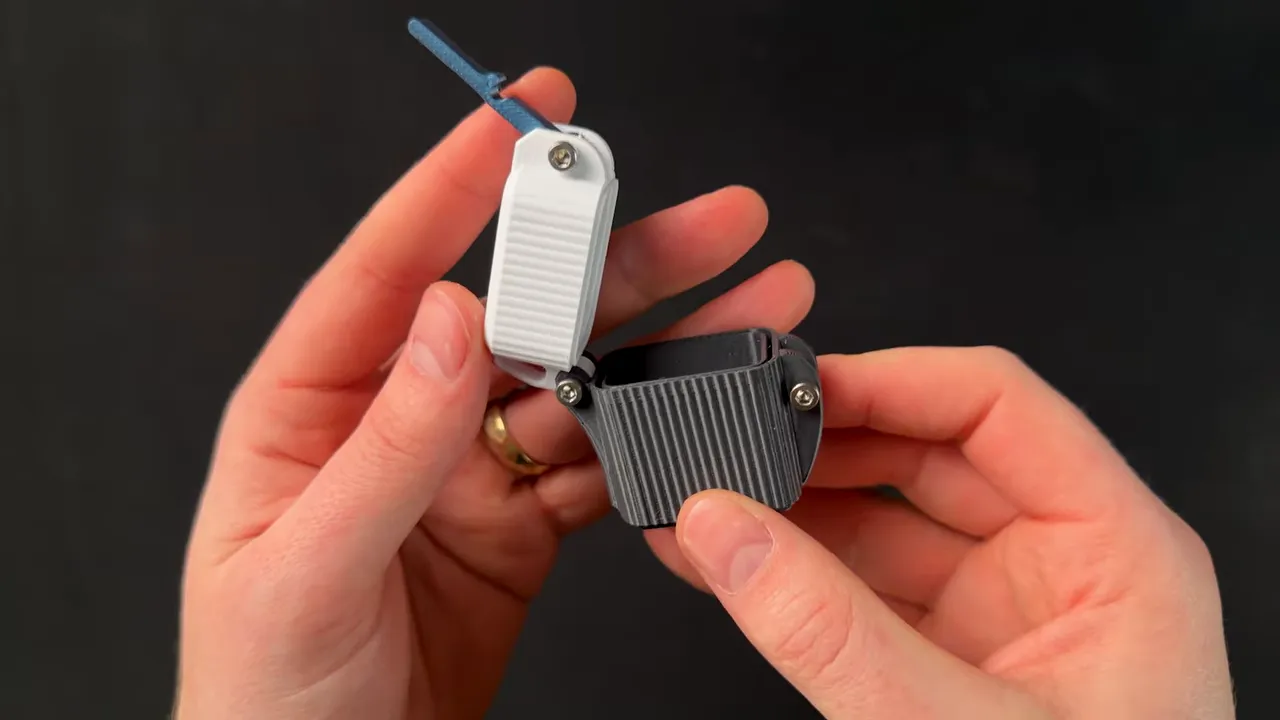
Aquí también es donde los diseños paramétricos son especialmente útiles. Si necesitas una caja adaptada a un artículo específico, ya sea para un botiquín mini, electrónica o repuestos, la impresión 3D lo facilita.
Equipo de paracord que puedes imprimir tú mismo
8. Broche magnético para pulsera
Si fabricas tus propios accesorios de paracord o equipo utilitario, el hardware impreso abre muchas posibilidades de personalización.
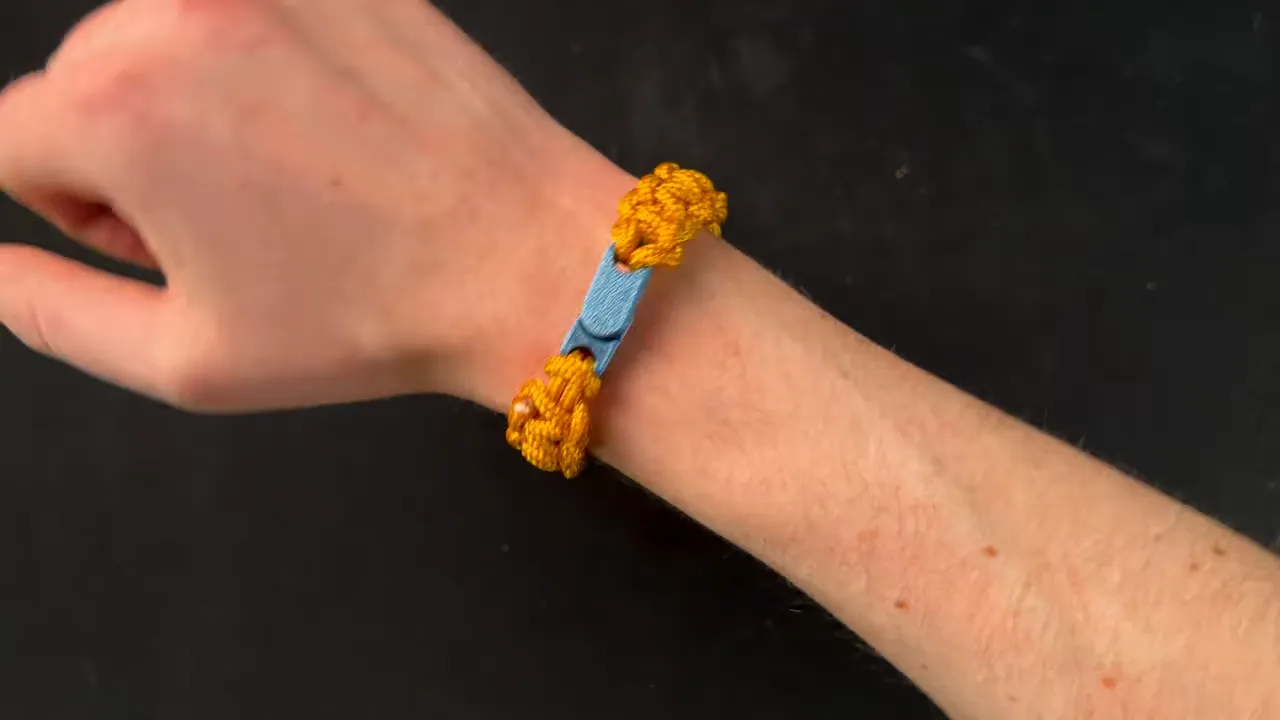
Este broche magnético para pulsera utiliza imanes integrados, insertados durante la impresión con una función de pausa. Eso significa que imprimes una parte del conjunto, detienes la máquina, colocas los imanes en su sitio y luego reanudas la impresión para dejarlos atrapados dentro.
El resultado es un broche compacto que funciona para pulseras o collares y puede adaptarse al tamaño y la combinación de colores que prefieras.
Hubo una limitación que vale la pena mencionar en las pruebas. El uso de imanes de 6 mm hizo que el cierre fuera más débil de lo ideal. También existe una versión de 8 mm, que debería ofrecer una sujeción más fuerte.
Incluso con esa salvedad, este es un gran ejemplo de cómo el hardware imprimible puede apoyar otras aficiones de bricolaje, especialmente si te interesan los equipos de estilo outdoor, supervivencia o táctico.
Bonus: plantilla para paracord
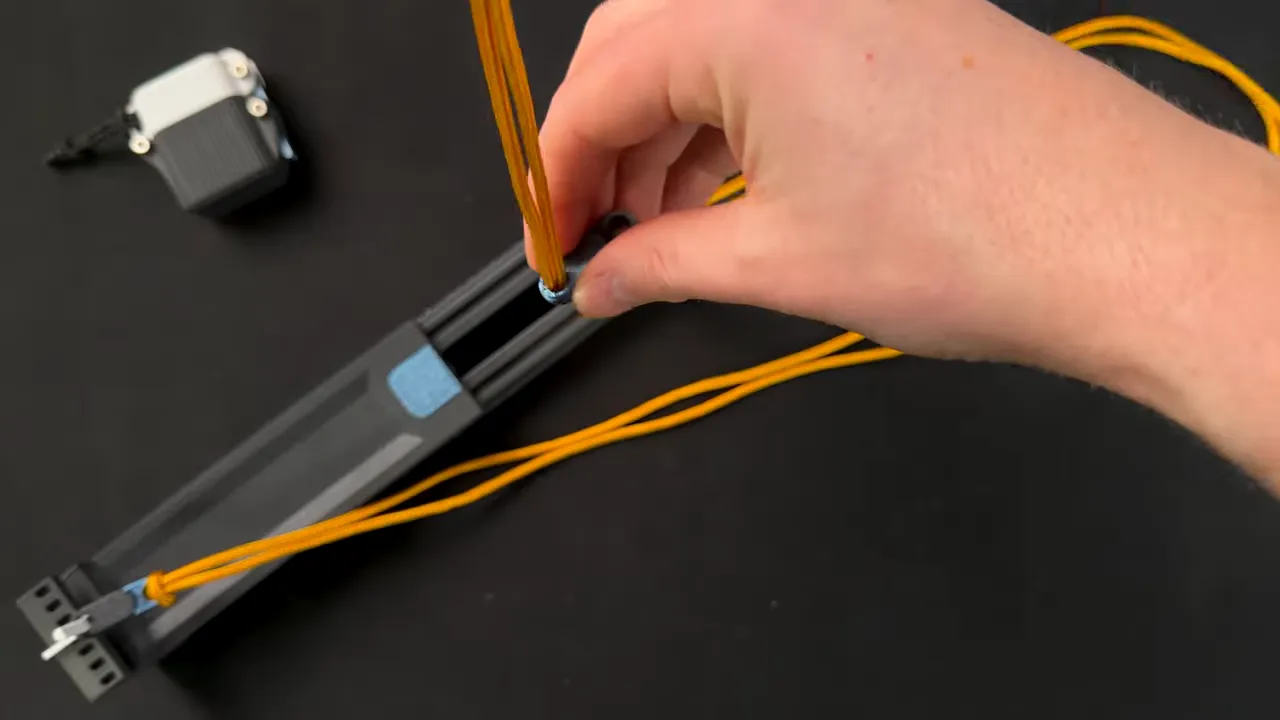
Si vas a hacer más de una pieza trenzada de paracord, una plantilla deja rápidamente de ser opcional y pasa a parecer necesaria.
La Paracord OmniJig te permite fijar una longitud de trabajo específica y mantener la tensión del cordón mientras trenzas. Eso hace que el proceso sea menos frustrante y ayuda a lograr un resultado más uniforme de una pieza a otra.
Es ese tipo de accesorio de taller que elimina fricción del proceso de fabricación, que a menudo es exactamente lo que debería hacer una buena herramienta impresa.
Bonus: soporte para paracord
Y una vez terminada la pulsera o el cordón, todavía necesitas una forma de mantener tu paracord organizado.
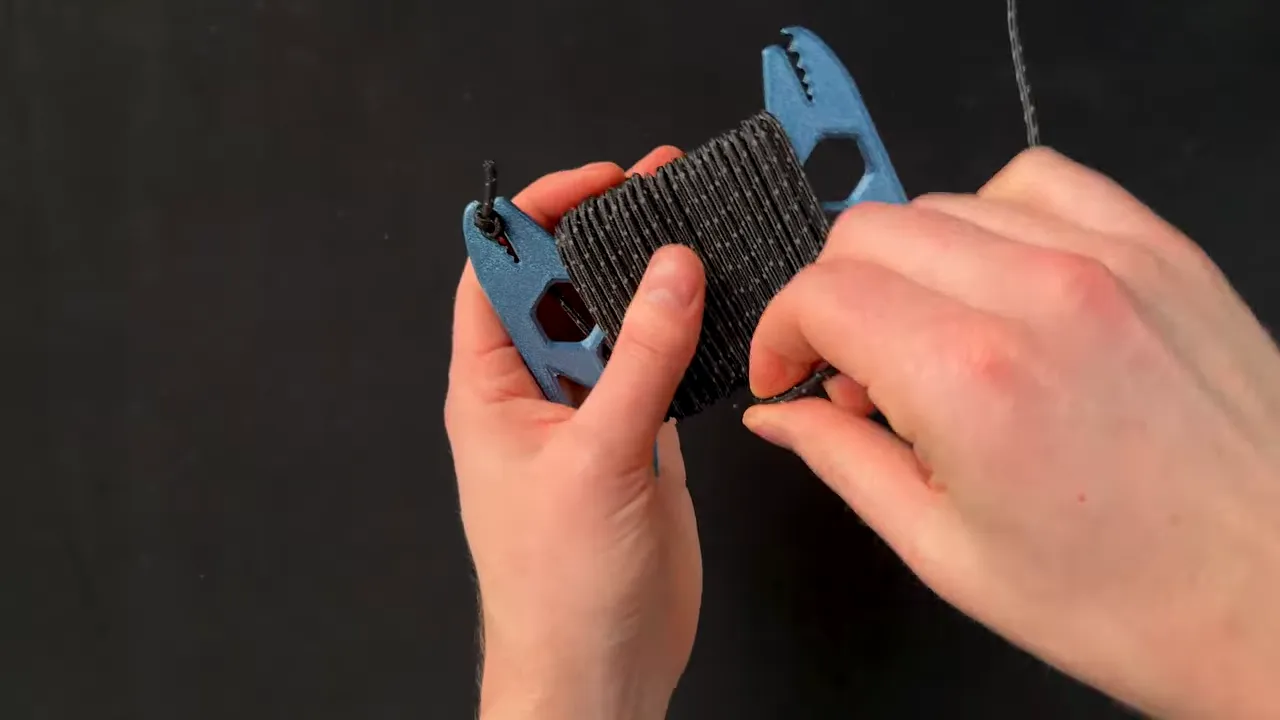
Un soporte para paracord impreso resuelve los enredos habituales y el caos de las bobinas sueltas, especialmente cuando el cordón no venía en carrete desde el principio. Funciona con diferentes longitudes y tamaños de cordón, y mantiene el material listo para usar en lugar de convertirse en un montón que evitas tener que ordenar.
Un bolígrafo impreso en 3D que se siente más premium de lo que debería
9. Bolígrafo de acción de cerrojo
No sería una lista de EDC adecuada sin un bolígrafo.
Este bolígrafo de cerrojo está diseñado en torno al Pilot G2, por lo que la pieza impresa es el cuerpo, mientras que el resorte y el cartucho de tinta provienen del bolígrafo original. También funcionó con otros recambios de bolígrafo, incluidos los bolígrafos de gel Zebra Sarasa Dry.
El mecanismo del cerrojo es satisfactorio de usar, y como el cuerpo está totalmente impreso, puedes mezclar colores y materiales como quieras. Eso significa que cada una puede hacerse un poco diferente.
También es una excelente impresión para regalo. Incluso a las personas que no están particularmente interesadas en la impresión 3D les suele gustar, porque claramente se siente hecho a mano y funcional en lugar de ser solo decorativo.
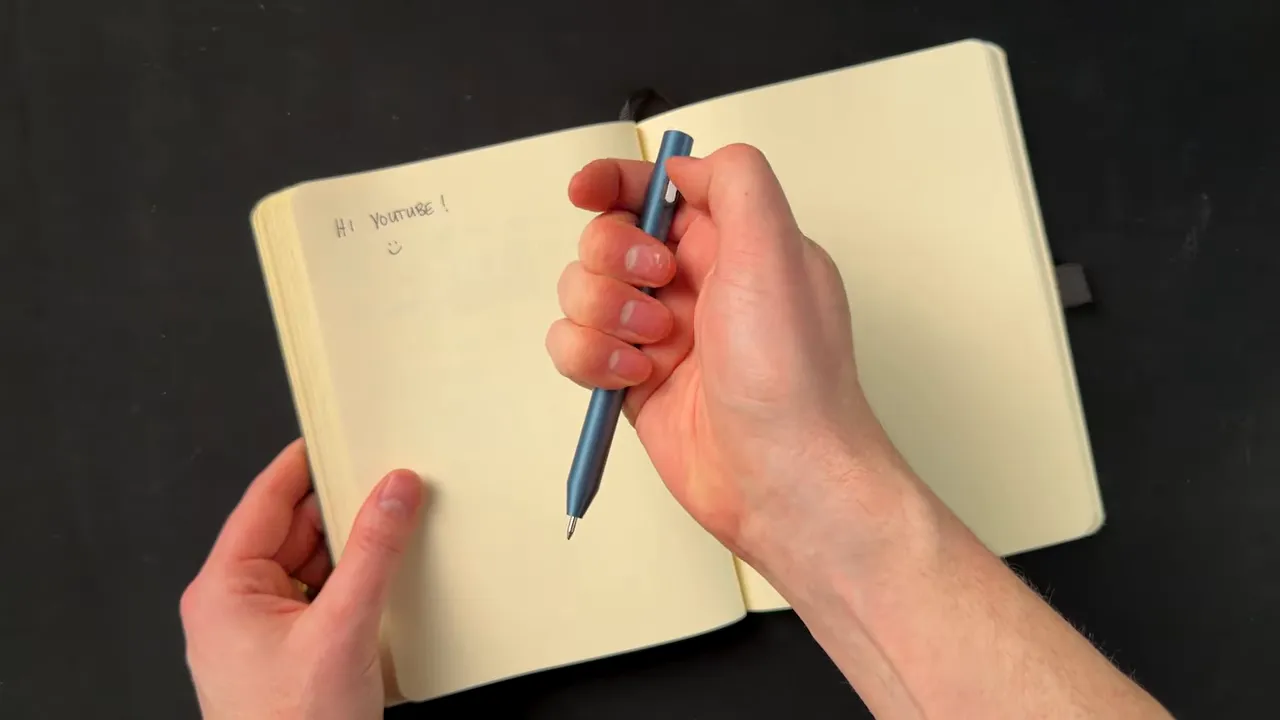
PETG también tiene sentido aquí. Los bolígrafos se caen, se meten en bolsos y, por lo general, se tratan con bastante rudeza. En un diseño como este, la zona de cerrojo es precisamente donde es más probable que el PLA se agriete bajo presión.
Donde todo tu EDC debería acabar al final del día
10. Bandeja organizadora EDC
La impresión final de la lista no es algo que lleves contigo, pero sin duda complementa tu equipo de uso diario.
Una bandeja organizadora EDC ofrece a tus llaves, cartera, herramientas y accesorios de bolsillo un lugar específico donde dejarlos al llegar a casa. Eso significa menos tener que tocarse los bolsillos, menos volver sobre tus pasos y un comienzo mucho más fluido cuando sales de nuevo.
La bandeja mostrada aquí utiliza un diseño topográfico y fue impresa en una combinación de silk azul metálico y PETG negro mate, lo que le da un aspecto pulido y acabado sin hacer que se vea demasiado llamativa.
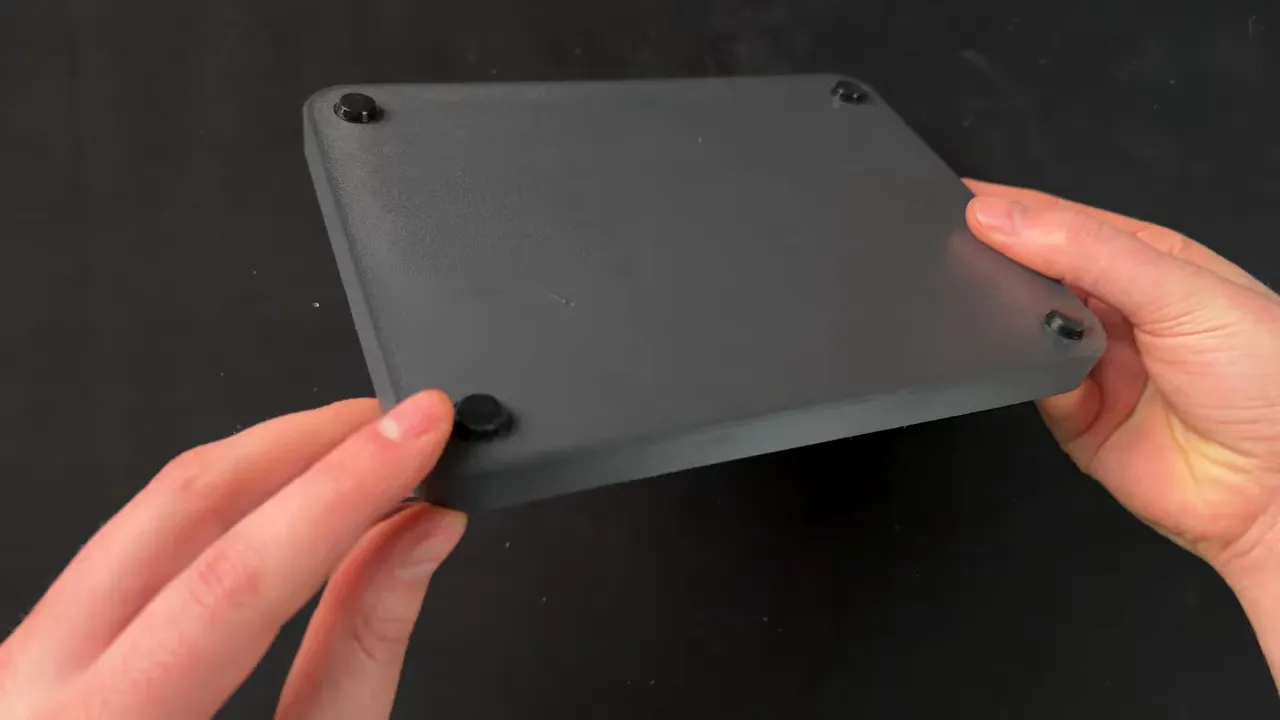
Para bandejas, posavasos, organizadores de escritorio y piezas similares, un pequeño consejo de acabado marca una gran diferencia: añada patas de goma adhesivas en la parte inferior.
Eso hace dos cosas:
-
Evita que la pieza se deslice
-
Hace que la impresión terminada se sienta más refinada
Una bandeja abierta simple funciona bien, pero también hay versiones modulares disponibles con compartimentos específicos para distintos artículos. Esa es realmente toda la ventaja de la impresión 3D en esta categoría. Usted decide exactamente cómo se organiza su equipo, cómo se ve, de qué material está hecho y cómo encaja en su rutina.
¿Qué hace que el EDC impreso en 3D valga la pena
El mejor equipo EDC impreso en 3D no intenta copiar uno a uno los productos fabricados en serie. Funciona porque resuelve problemas muy específicos:
-
Haciendo los llaveros más silenciosos y delgados
-
Hacer más fácil llevar herramientas pequeñas
-
Combinando múltiples funciones en un solo objeto compacto
-
Creando un almacenamiento que se ajuste exactamente a lo que necesita
-
Personaliza el color, el ajuste y el formato según tus propias preferencias
Eso es lo que hace que esto sea realmente atractivo. No estás limitado a lo que un fabricante decidió que era “lo suficientemente cercano”. Puedes imprimir equipo que se adapte a tus hábitos reales.
Y cuando combinas esa flexibilidad con elecciones de material sensatas como PETG, especialmente para piezas móviles y artículos de uso frecuente, muchas de estas impresiones dejan de sentirse como experimentos y empiezan a sentirse como herramientas.
Reflexiones finales
Si tuviera que reducir esta lista a los más destacados, el organizador de llaves, el llavero carrito de compras, el bolígrafo de acción de cerrojo y la bandeja para todo parecen las opciones más fáciles.
Pero aquí hay algo útil en cada categoría, ya sea que quieras una mejor configuración de llavero, una herramienta compacta de reparación, herrajes de paracord impresos o simplemente una forma más ordenada de organizar tus bolsillos y bolsas.
La belleza de la impresión 3D para el uso diario está ahí. Tú controlas el diseño, los materiales, los colores y cómo se adapta a tu vida.
Y, sinceramente, eso es lo que hace que valga la pena llevarlo.