
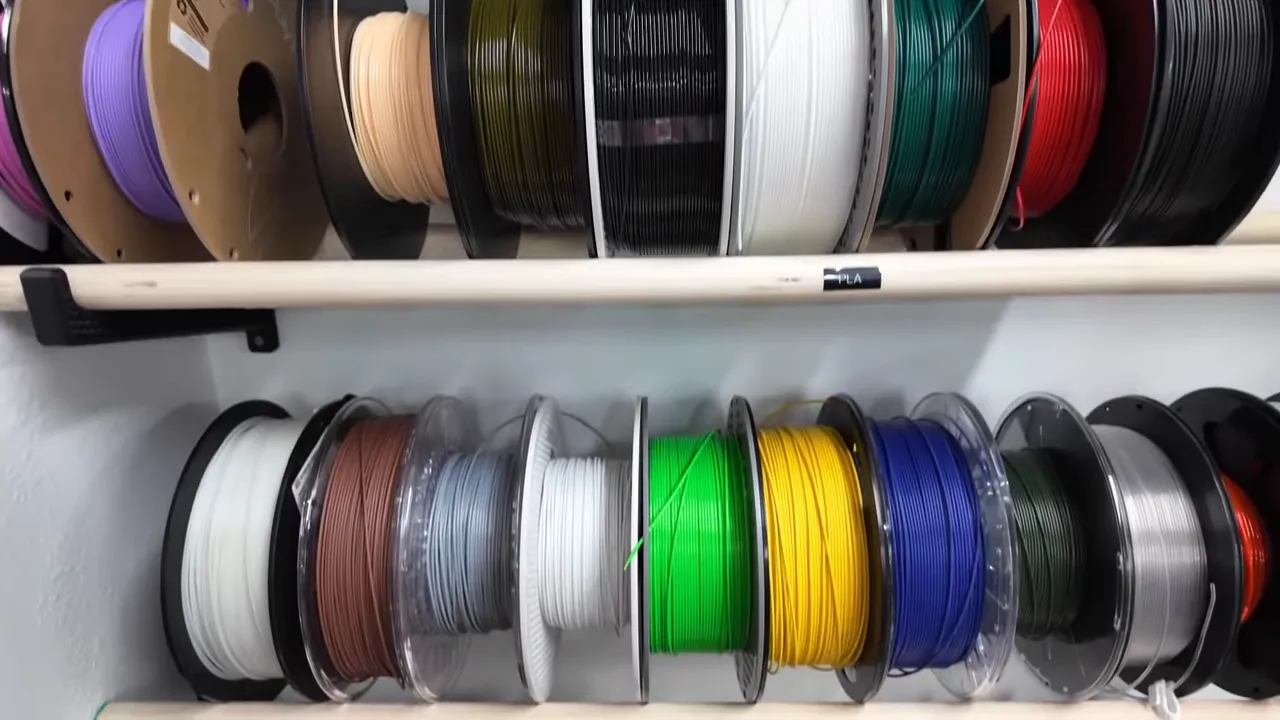
3d printer filaments can make or break your early printing experience. Printers are getting better and easier to use, but the material you choose still shapes everything from bed adhesion to final strength and surface finish. Pick predictable filaments and you will spend more time learning the machine than fighting the material.
Why filament matters
It is tempting to focus on the printer, but the same machine can produce a stunning part or a frustrating mess depending on the filament. Filament influences how well prints stick to the bed, how much parts warp, how strong the item is, and how clean the surface looks. Treat filament as part of a system rather than an afterthought.
When you shop for 3d printer filaments, prioritise consistency: materials that behave reliably, forgive small mistakes and let you practise fundamentals like bed leveling, basic slicer settings and part cooling.
The three filaments every beginner should know
1. PLA — the forgiving all-rounder
PLA is the best place to start. It prints at lower temperatures, adheres well to most build plates, warps very little and gives clean surfaces. That predictability lets you focus on learning machine features and slicer basics without constant troubleshooting.
PLA is often thought of as only decorative, but it is strong enough for many functional parts like organisers, brackets and enclosures. Its main limitation is heat resistance. PLA will soften in a hot car or near heat sources, so avoid high temperature applications.
2. PETG — tougher and more resilient
PETG is commonly the next step after PLA. It offers greater strength, improved resilience and better resistance to heat and moisture. PETG is ideal for outdoor parts, containers and functional brackets that need durability.
PETG behaves differently from PLA: it likes slightly higher nozzle temperatures, reduced cooling and slower print speeds. Printing PETG with PLA settings often causes stringing, rough surfaces and even warping. Once you adjust for those differences, PETG becomes a reliable workhorse.
3. TPU — flexible when you need it
TPU is the flexible option on this list. Use it for phone cases, gaskets, vibration dampers and other soft functional parts. TPU is not a pure beginner filament but it is one of the first specialty materials many people want to try.
TPU prints best with slow speeds, steady extrusion and a feeding path with minimal friction. Direct drive extruders handle TPU more easily than long Bowden setups. If you rush TPU you will see buckling, jams or messy extrusion. When dialled in, TPU is very satisfying to use.
Practical tips that apply to all filaments
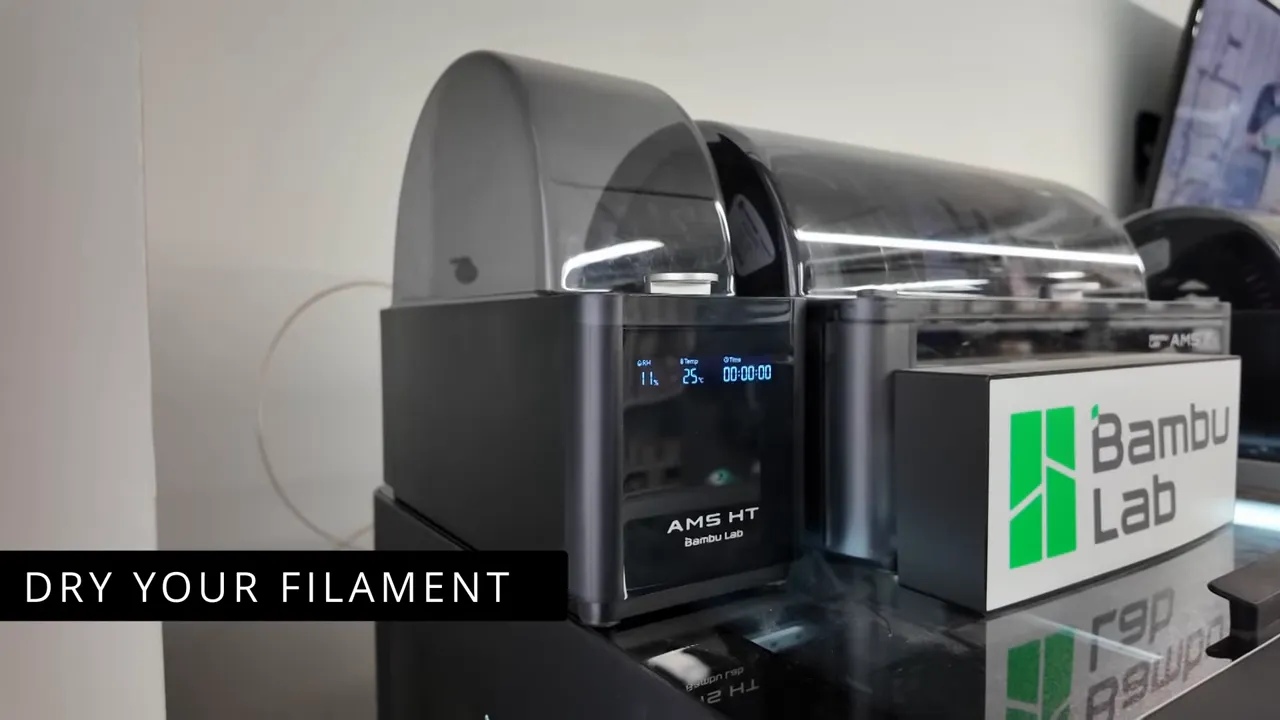
- Dry your filament. Moisture is the biggest enemy. Filament absorbs water from the air and that water becomes steam in the hotend, ruining surface quality and strength. Store filament sealed with desiccant and consider a dry box or oven if humidity is an issue.
- Change one setting at a time. In your slicer adjust one variable, test and take notes. 3d printer filaments reward small controlled tweaks more than big sweeping changes.
- Start with predictable brands and spools. Cheap or inconsistent filament can obscure the source of print problems. A reliable spool helps you learn the printer instead of fighting material variability.
- Understand trade offs. PETG bonds well between layers but can be harder to get cosmetically perfect. PLA is clean and easy but less heat resistant. TPU is flexible but requires patience.
- Keep your printing path simple for flexible filaments. If you plan to experiment with TPU, use a direct drive or a guided filament path and slow down extrusion speed.
Which filament should you start with?
Begin with PLA to learn fundamentals and gain confidence. After you consistently get good PLA prints, move on to PETG for stronger, more durable parts. Treat TPU as a fun experiment once you are comfortable changing slicer settings and tuning printer behaviour.
Mastering these three types will cover most beginner and intermediate projects. Once you understand how PLA, PETG and TPU behave, other specialty materials become far easier to approach. Read the Filament Guide for more 3d printing material data.
Quick cheat sheet
- PLA: Easy, low temp, minimal warping, limited heat resistance.
- PETG: Stronger, more durable, prints hotter and slower, watch for stringing.
- TPU: Flexible, slow prints, needs careful feeding and dryness.
Choosing the right 3d printer filaments early will save time and frustration. Focus on predictability, dry storage and small adjustments. With PLA, PETG and TPU under your belt, most projects are within reach.